Broach Tooling Design

We use the latest state-of-the-art programs and software, so you know you can rely on our end products.

Broach Tooling Design and Application

The broach tool design includes three sections: roughing, semi-finishing and finishing. The broach combines three levels of cutting with one tool. Unlike typical machining processes, broaching completes multiple machining steps in quick succession. This makes broaching an efficient and popular option, especially for higher volume production machining.

Mechanical parts broaches

Auto parts broaches

Auto parts broaches

Auto parts broaches

Auto parts broaches

Special tooth type broaches for motorcycle engine parts

Special tooth type broaches for motorcycle engine parts

High precision involute planetary gear broach

High precision involute planetary gear broach

Mechanical parts broaches

Mechanical parts broaches

Auto parts rotating broaches

Auto parts rotating broaches

Special spiral broaches for automotive parts

Special spiral broaches for automotive parts

Manufacturing Process of Broaches

Customers are assisted at every stage of the production process. Each customer is provided a specialized support staff from prototype through delivery to ensure that programs progress smoothly through production.

Technical Quotations​

Broach Design

Brooch design is the first and most important phase. It entails choosing the cutting teeth' form, size, and arrangement based on the machining task. Material, finish, and profile complexity must be considered in the design. Simulation and design optimization for broaching efficiency and tool life are commonly done with advanced software.
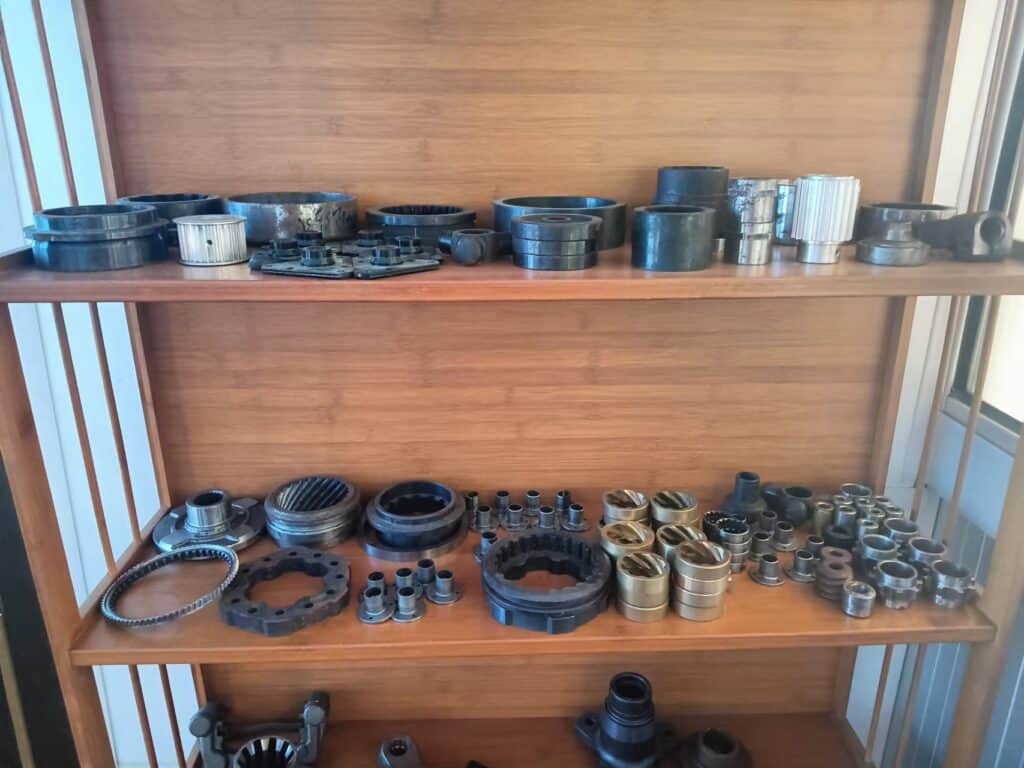
Provide Drawings Or Samples

Material Selection

Selecting the right material for the broach is critical to guaranteeing durability and function. High-speed steel (HSS), carbide, and other specialty alloys are widely utilized. The material used is determined by parameters such as the workpiece's hardness, the desired cutting speed, and the volume of production.

Signing of Contracts​

Forging and Machining

The basic form of the broach is usually forged from high-quality steel to create a blank. The blank is then machined to the specified size and tooth shapes. Precision machining ensures that the broach satisfies the exact requirements for successful cutting. Computer Numerical Control (CNC) equipment are frequently utilized to attain great accuracy in this process.
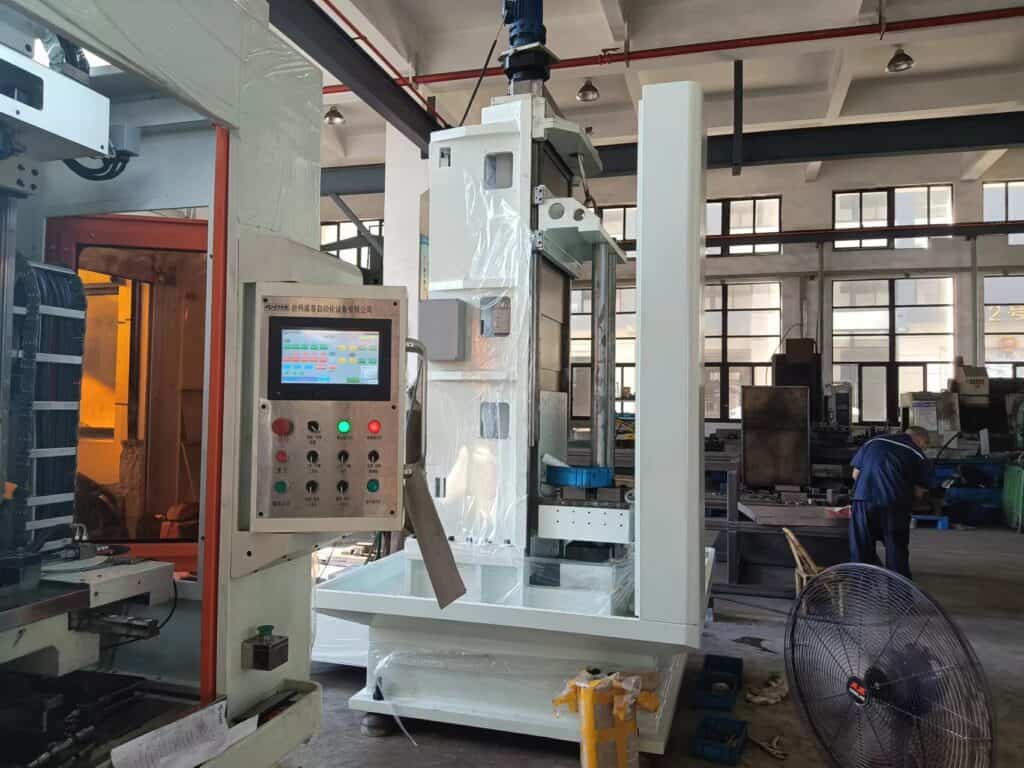
Production Starts

Heat Treatment

Heat treatment procedures like hardening and tempering are used to improve the broach's strength and wear resistance. This step is crucial to ensuring that the broach can survive the pressures and heat encountered during the cutting operation. Proper heat treatment increases the tool's lifetime and cutting performance.
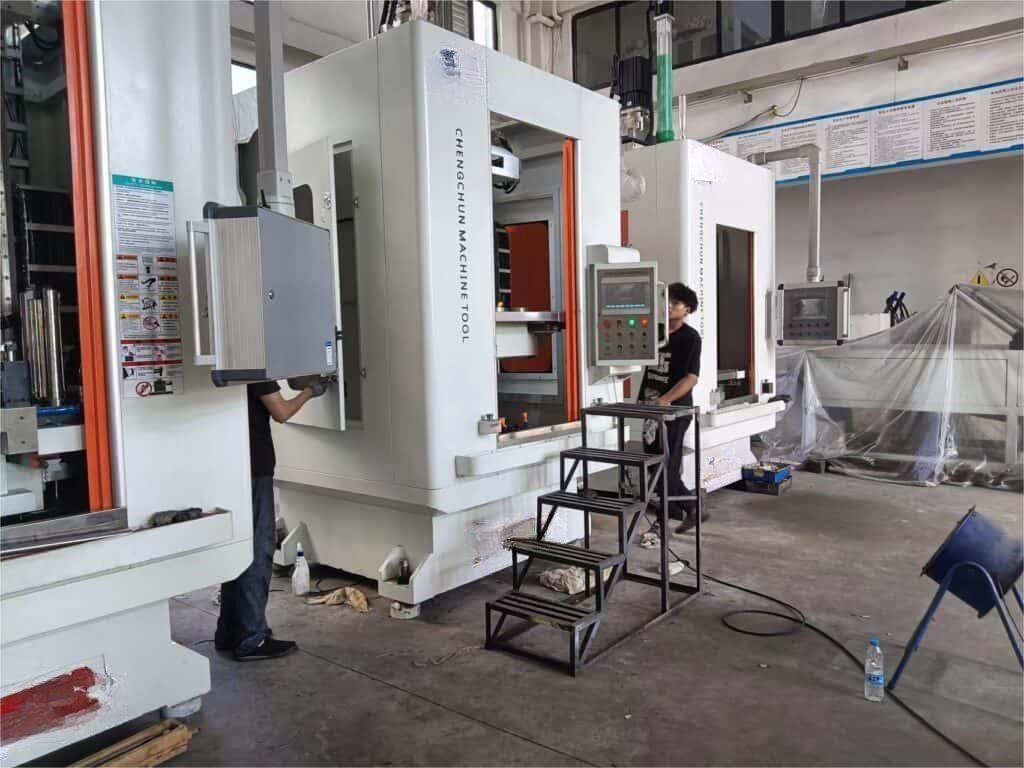
Pre-shipment Test

Grinding and Finishing

Following heat treatment, the broach is precision ground to sharpen the cutting teeth and attain the required profile. Grinding ensures that the teeth are properly formed and spaced to facilitate material removal. Finishing procedures, such as coating with titanium nitride (TiN), can improve the broach's performance by lowering friction and wear.

Install and Degugging​

Quality Control and Testing

The final stage of the production process is stringent quality control and testing. Each broach is evaluated for dimensional correctness, surface polish, and overall quality. Trial cuts on sample materials may be used during testing to confirm that the broach functions as intended. This procedure guarantees that only the best quality broaches are given to consumers.

Broach Tooling Design Considerations

A broach’s performance and longevity are influenced by numerous crucial elements throughout its design.

  • Geometry and Cut Teeth:The shape of the broach and the arrangement of its cutting teeth are critical. Teeth must be designed to gradually remove material while avoiding undue wear and damage.
  • Length and pitch:The length of the broach and the pitch (the space between the teeth) must be tailored for the purpose. Longer broaches with finer pitches can result in nicer finishes, but they need more force.
  • Relief angles:Relief angles assist to prevent friction and heat buildup when cutting. Proper relief angles increase tool life and improve machined surface quality.
  • Coolant Channels:Coolant channels included into the broach design can considerably improve performance by decreasing heat and washing away chips.
Involute Splines

Related Another Service

Scroll to Top
Get In Touch